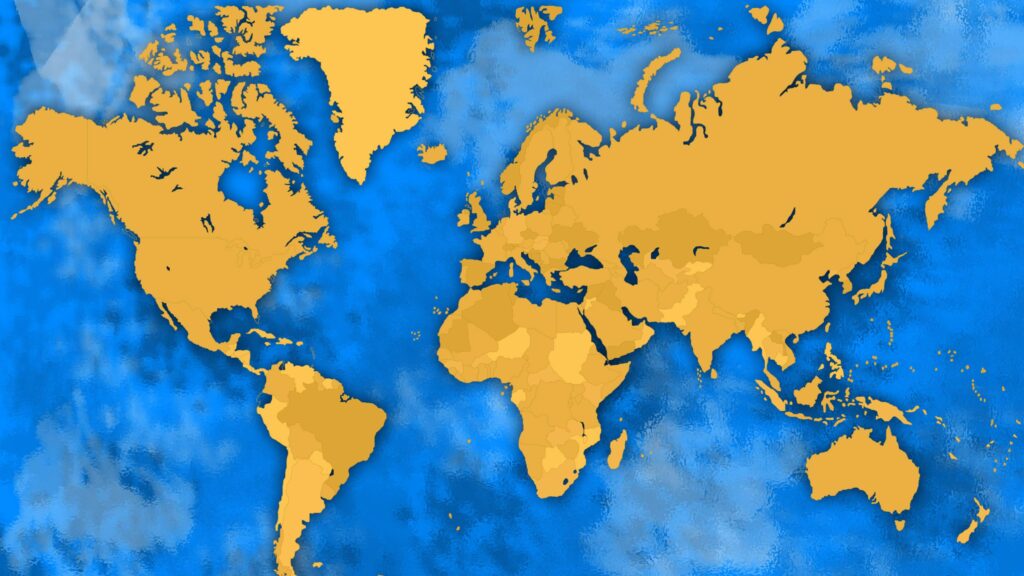
The Basics of Ecosystem Classification & Biomes explains how ecosystems are categorised based on their climatic, geographic, and ecological characteristics. Understanding the distribution of major biomes and the factors that shape them is essential for interpreting global patterns of biodiversity, vegetation, and ecosystem functioning, making this topic highly relevant for UGC-NET/JRF, SLET, ARS, GATE, and other competitive examinations.
Use this curated MCQ bank to test your conceptual understanding, identify weak areas, and sharpen your exam readiness.
Syllabus Outline
- Ecological hierarchies and the factors influencing ecosystem boundaries.
- Terrestrial biomes (e.g. Tundra, Taiga, Temperate Deciduous Forest, Temperate Grassland, Desert, Tropical Rainforest, Tropical Savanna, Chaparral, Montane and Polar Ice).
- Aquatic biomes (e.g., lakes, ponds, rivers, streams, oceans, coral reefs, estuaries, mangrove swamps, and Salt Marshes).
- Unique characteristics, ecological processes, and adaptations of flora and fauna of each biome.
- Contemporary issues related to ecosystem classification and biome distribution.
Quick Study Guide
Biomes are massive ecological zones defined strictly by their dominant vegetation and regional climate. Ecosystem classification relies on understanding how abiotic limits, specifically temperature and precipitation, dictate biological adaptations, primary productivity, and soil chemistry.
- Climatic Drivers (Whittaker’s Model): Terrestrial biomes are strictly classified by mean annual temperature and mean annual precipitation. These two continuous abiotic gradients determine the limits of plant growth, directly dictating the gross primary productivity (GPP) and carrying capacity of a geographic region.
- Tropical Rainforests and Nutrient Cycling: Rainforests exhibit the highest terrestrial biodiversity and productivity. However, their soils (laterites) are deeply weathered, acidic, and nutrient-poor. Due to rapid microbial decomposition in hot, humid conditions, almost all vital nutrients are locked within the living biomass rather than the soil.
- Taiga and Tundra Dynamics: The Taiga (boreal forest) is the largest terrestrial biome, dominated by cold-tolerant conifers and acidic podzol soils. The Tundra is strictly defined by permafrost, a permanently frozen subsurface soil layer. This physical barrier prevents deep root growth and drastically slows organic decay, turning the biome into a massive carbon sink.
- Grasslands and Fire Ecology: Grasslands (savannas, steppes, prairies) are maintained by seasonal droughts, grazing herbivores, and periodic fires. Fire prevents ecological succession in forests. Temperate grasslands possess deep, organic-rich topsoils (mollisols), making them agriculturally productive but highly vulnerable to wind erosion and desertification.
- Aquatic Biomes and Estuaries: Aquatic classification is driven by salinity, water depth, and light penetration (photic vs. aphotic zones). Estuaries, where freshwater rivers meet the saltwater ocean, function as critical ecotones. Their fluctuating salinity and physical trapping of riverine sediments make them the most biologically productive ecosystems on Earth.
Test Your Knowledge
This quiz contains 25 concept-based MCQs on “Basics of Ecosystem Classification & Biomes“. Each question has a single correct/most appropriate answer.
*****
1. Which of the following is a key feature of the temperate deciduous forest biome?
a) Evergreen trees
b) Four distinct seasons
c) Permafrost
d) Hot and humid climate
2. The process of ecosystem classification involves grouping ecosystems based on: I – Climate and Soil, II – Flora and Fauna and III – Structural and Functional Characteristics.
a) I, II and III
b) I and III
c) I and II
d) II and III
3. Which of the following is a boreal forest biome characteristic?
a) Short growing season
b) Warm temperatures throughout the year
c) Broadleaf evergreen trees
d) Abundant rainfall
4. Assertion (A): Tropical rainforests exhibit high species diversity.
Reasoning (R): The consistent climate and abundant rainfall in tropical rainforests provide stable conditions, promoting the specialisation of various species.
a) Both A and R are true, but R is not the correct explanation for A.
b) Both A and R are true, and R is the correct explanation for A.
c) A is false, but R is true.
d) A is true, but R is false.
5. In the context of conservation biology, what are umbrella species?
a) Species that protect smaller, endangered species
b) Species that require extensive habitat protection
c) Species that thrive in degraded ecosystems
d) Species with large, flagship populations
6. How do thermohaline currents contribute to the vertical movement of ocean water?
a) Due to variations in water density
b) Facilitated by tidal forces
c) Through wind-driven circulation
d) Influenced by the Earth’s magnetic field
7. What is the primary factor influencing the distribution of coral reefs in marine ecosystems?
a) Salinity
b) Light Intensity
c) Oxygen Levels
d) Temperature
8. How does the El Niño-Southern Oscillation phenomenon impact different biomes globally?
a) Increases biodiversity in tropical rainforests
b) Promotes desertification in arid biomes
c) Triggers wildfires in temperate grasslands
d) Alters precipitation patterns in various regions
9. The classification of ecosystems into terrestrial and aquatic is based on:
a) Presence of Water
b) Vegetation Types
c) Soil Characteristics
d) Climate
10. Assertion (A): The boreal forest (taiga) biome experiences extreme temperature variations between seasons.
Reasoning (R): The angle of sunlight and day length change significantly in the boreal forest, leading to distinct seasons with cold winters and warm summers.
a) A is true, but R is false.
b) Both A and R are true, but R is not the correct explanation for A.
c) Both A and R are true, and R is the correct explanation for A.
d) A is false, but R is true.
11. The term Montane refers to ecosystems found at:
a) Polar regions
b) High altitudes
c) Low altitudes
d) Coastal regions
12. The classification of ecosystems into forest, grassland, and desert is based on:
a) Temperature
b) Precipitation
c) Vegetation Types
d) Soil Composition
13. The term Chaparral is associated with which biome?
a) Desert
b) Tropical Savanna
c) Mediterranean Scrub
d) Temperate Grassland
14. What is the primary determinant of vegetation type in a tropical rainforest biome?
a) Soil Quality
b) Humidity
c) Precipitation
d) Temperature
15. How do edge effects contribute to our understanding of biodiversity in fragmented ecosystems?
a) Explores the spatial distribution of keystone species
b) Describes the transition zone between two different ecosystems
c) Explains the dominance of invasive species at ecosystem boundaries
d) Highlights the impact of human activities on ecosystem peripheries
16. Assertion (A): Alpine and arctic tundra have similar vegetation despite their geographical separation.
Reasoning (R): The harsh climatic conditions in alpine and arctic tundra favour the growth of low-growing, hardy plant species adapted to cold environments.
a) A is true, but R is false.
b) A is false, but R is true.
c) Both A and R are true, and R is the correct explanation for A.
d) Both A and R are true, but R is not the correct explanation for A.
17. The term Ephemeral is associated with which type of aquatic ecosystem?
a) Lake
b) Wetland
c) River
d) Estuary
18. The concept of the biome was first introduced by:
a) Evelyn Hutchinson
b) Eugene Odum
c) Alexander von Humboldt
d) Charles Darwin
19. The term Biodiversity Hotspot refers to areas with high concentrations of:
a) Invasive species
b) Extinct species
c) Endemic species
d) Migratory species
20. Which of the following is a tropical savanna biome characteristic?
a) Coniferous forests
b) Frigid temperatures
c) Long, dry seasons and grassy landscapes
d) Broadleaved evergreen trees
21. The concept of Ecotone refers to:
a) The climate of a particular biome
b) A region where two different ecosystems meet and overlap
c) The topography of an ecosystem
d) The dominant species in a biome
22. Assertion (A): Estuaries are highly productive ecosystems.
Reasoning (R): Estuaries receive nutrients from freshwater rivers and marine environments, creating ideal conditions for diverse and abundant life forms.
a) A is false, but R is true.
b) A is true, but R is false.
c) Both A and R are true, and R is the correct explanation for A.
d) Both A and R are true, but R is not the correct explanation for A.
23. Which of the following is an example of a temperate grassland biome?
a) Amazon Rainforest
b) Sahara Desert
c) Pampas
d) Taiga
24. How does the oceanic conveyor belt impact global climates?
a) Transporting heat around the Earth
b) Distributing marine organisms
c) Regulating ocean salinity
d) Modifying ocean currents
25. The term Riparian is associated with which type of ecosystem?
a) Desert
b) Aquatic
c) Grassland
d) Forest
*****
Previous: Ecological Succession and Species Diversity
Next: Population ecology
References
- Odum, Eugene P., and Barrett, Gary W. (2004). Fundamentals of Ecology, Thomson Brooks/Cole, 5th edition.
- Singh, J.S., Gupta, S.R., Singh, S.P. & Singh, R. (2026). Ecology, Environmental Science and Conservation, S Chand Publishing, 2nd Edition.
- Erach Bharucha (2017). Environmental Studies, Universities Press, 4th Edition.
- De, Anil Kumar and De, Arnab Kumar (2024). Environmental Chemistry, New Age International, 11th Edition.
- Sharma, P. D. (2017). Environmental Biology and Toxicology, Rastogi Publications, 3rd Edition.
🔗 Explore More MCQs: